Online shopping behavior in Europe - statistics & facts
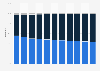
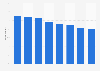
Over the past decade, it has become clear that e-commerce is increasingly becoming a mainstay in the European economy. In 2025, e-commerce's share of enterprises' revenue in the European Union reached almost 20 percent, with the e-commerce penetration rate surpassing 60 percent. Online retail and, by extension, online shopping among consumers have become very common in Europe. With this growth, new behaviors and preferences have developed among e-commerce consumers.
Amazon's continental grip
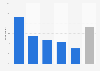
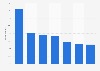
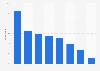
In a market estimated to be near 700 billion U.S. dollars in 2026, fierce competition is inherent, which is precisely what can be seen in the European market. However, in most of the big European online markets, there is a clear leader: Amazon. The e-commerce giant was the top online store in the United Kingdom, Germany, and France in 2025. In each of these countries, Amazon more than doubled the net sales of its closest competitor, showing its dominance across the continent. The European market is crucial for Amazon, as Germany and the United Kingdom are its main markets outside of its domestic market.
Digital wallets pulling ahead at checkout
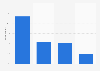
With the rise of e-commerce, online payment providers have not been standing still. Payment options are a key criterion in consumer attitudes on online shopping, and every day there are more options to choose from. The rising star in e-commerce payments is the digital wallet. In 2025, digital wallets represented over a third of the e-commerce transaction value in Europe. Far from stagnant, this payment method is expected to continue thriving and represent 45 percent of the transaction value by 2030. Buy Now, Pay Later services have also gained traction across the region.
Shopping without borders
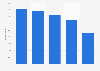
European online consumers increasingly look beyond their home markets. In 2024, 40 percent of EU online shoppers purchased from sellers in other member states. The cross-border share of online retail varies widely across the region, but it has reached double digits in most European countries. As new platforms and technologies lower barriers to international purchases, the behavior of European online shoppers is expected to keep evolving.